-for-humans-converting-horse-paste-safely-hero.webp)
Table of Contents
- Understanding Paste vs Human Tablets
- Safety Considerations for Vet Products
- Conversion Calculator: Paste to Human Dose
- Step-by-Step Measurement Guide
- Durvet and Other Common Brands
- Taste and Administration Tips
- Risks and Warnings
- Why Tablets May Be Preferable
Understanding Paste vs Human Tablets
When talking about ivermectin paste for humans, it is important to know the differences between medicine made for animals, like horse paste ivermectin, and medicine made for people. Ivermectin is a drug first approved for use in humans to treat some parasites. Over time, it has also been used for other health issues.
Veterinary vs Pharmaceutical Differences
Ivermectin paste, often called horse paste ivermectin, is mostly for treating worms in horses. It has a 1.87% amount of ivermectin. This is similar to the pills used for people, but the forms and amounts are different for each species.
The main differences between animal and human ivermectin include:
- Concentration: Human tablets are available in specific doses (e.g., 3 mg), whereas horse pastes typically come in a 1.87% concentration, requiring conversion for human use.
- Formulation: Human tablets are prepared to ensure safety and efficacy in humans, adhering to stringent pharmaceutical standards.
- Regulatory Approval: Human formulations undergo rigorous testing and approval processes by bodies like the FDA, ensuring they meet safety standards for human consumption.
It is very important to know these differences so that use is safe and works well.
Safety Considerations for Vet Products
If you think about using horse paste ivermectin in people, safety must come first. Animal products are not made with human bodies in mind, which can cause problems.
Inactive Ingredients
Horse ivermectin paste has ingredients and flavors made to make animals like the taste. These can include:
- Sweeteners and flavorings: While safe for horses, these might cause allergic reactions or gastrointestinal discomfort in humans.
- Carriers and preservatives: Used to ensure the stability of the paste, these ingredients are not always tested for human safety.
[!CAUTION] Using veterinary ivermectin paste can pose risks due to these inactive ingredients, which may not be safe for human consumption.
Potential Concerns
- Allergic Reactions: Inactive ingredients could trigger hypersensitivity in some individuals.
- Dosage Errors: Miscalculating the human-appropriate dose from veterinary formulations can lead to underdosing or overdosing.
Because of this, be very careful if you handle or use veterinary ivermectin products.
Conversion Calculator: Paste to Human Dose
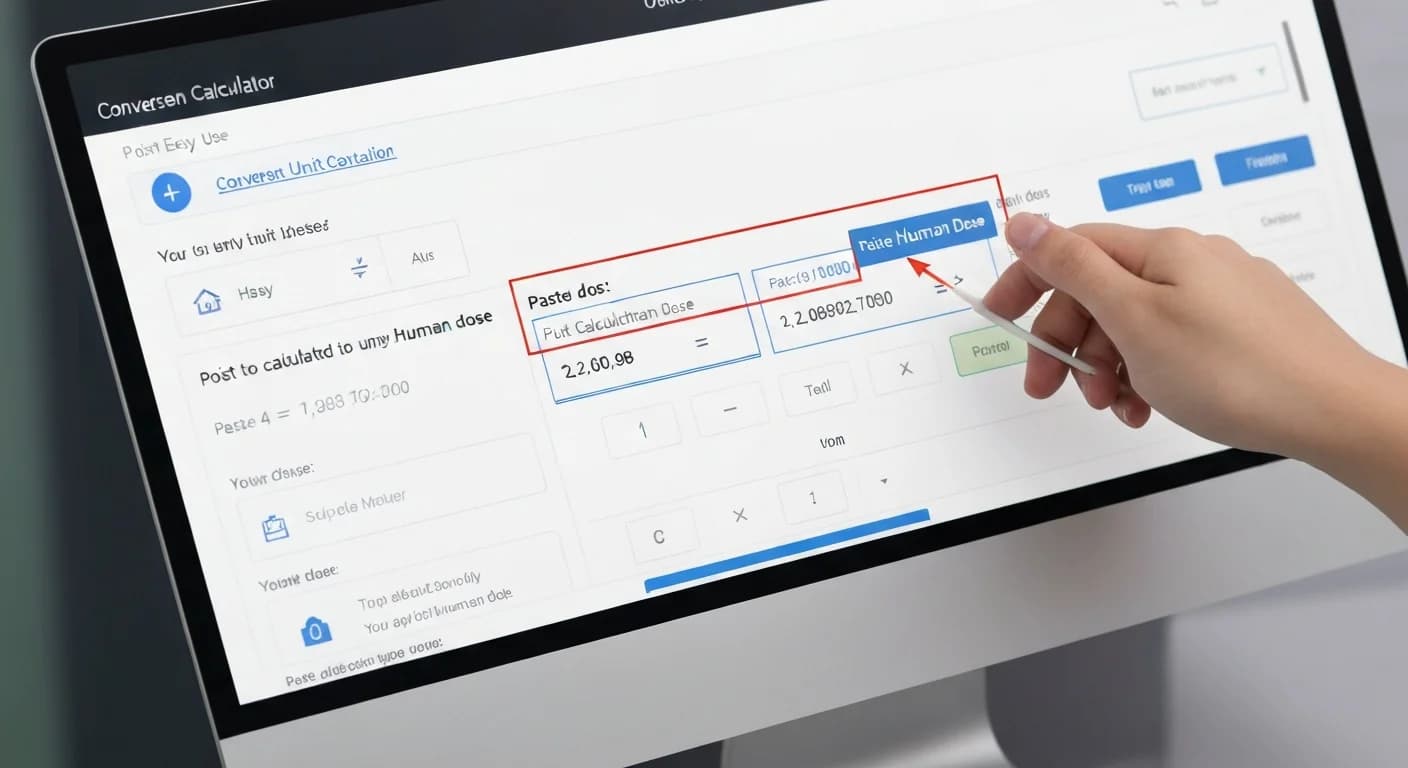
To use ivermectin paste safely in people, you must get the dose right. The usual strength in horse paste is 1.87%. Here is how to find the right dose for a person.
Conversion Formula
To turn horse paste ivermectin into a dose for humans, do these steps:
- Determine the Desired Dose: For example, a typical human dose might be around 0.2 mg/kg of body weight.
- Calculate Based on Weight: Multiply the weight of the individual in kg by 0.2 mg/kg to get the total mg needed.
- Convert to Paste Volume: Use the concentration of the paste (1.87% = 18.7 mg/g) to determine how much paste is needed.
Example Calculation
- Person's Weight: 70 kg
- Desired Dose: 70 kg * 0.2 mg/kg = 14 mg
- Paste Needed: 14 mg ÷ 18.7 mg/g = 0.75 g of paste
This way, you make sure the dose for a person is correct and safe.
Step-by-Step Measurement Guide
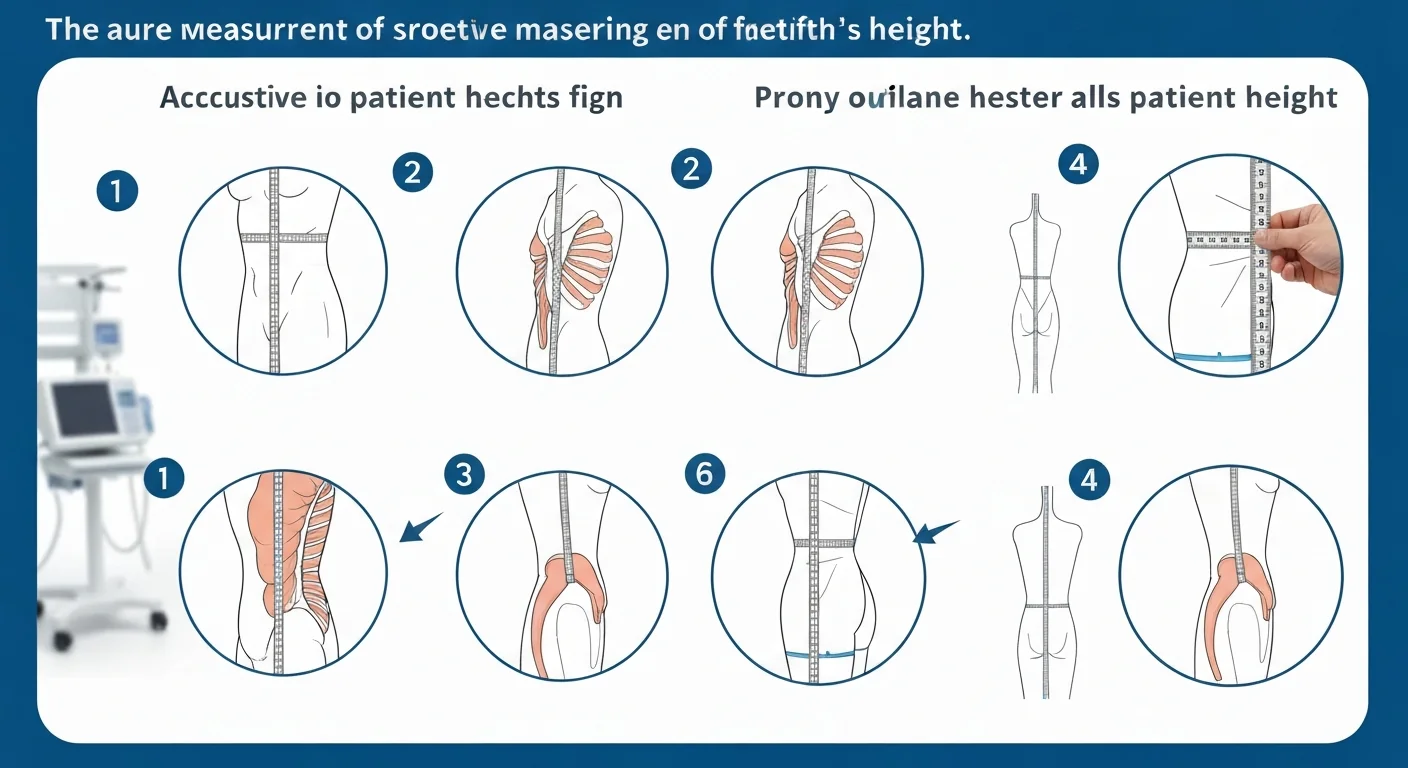
To give the right amount, use the syringe that comes with the paste. Carefully follow the marks.
Measuring with Syringe Markings
- Identify the Syringe: Most horse ivermectin pastes come with a syringe marked in increments. Each marking corresponds to a set amount of paste.
- Calculate Dosage: Based on the conversion, determine the exact marking needed to achieve the desired dose.
- Dispense Paste: Carefully adjust the syringe to the calculated marking, ensuring accuracy.
- Administer the Dose: Consume the paste directly or mixed with food or drink to mask the taste.
Always check your work carefully to avoid any mistakes.
Durvet and Other Common Brands
Many brands make ivermectin paste, such as Durvet, Zimecterin, and Bimectin. They all have the same strength of 1.87%, but there can be small differences in how they are made and packed.
Comparing Brands
- Durvet Ivermectin Paste: Known for its availability and cost-effectiveness.
- Zimecterin: Features a similar concentration with possible different inactive ingredients.
- Bimectin: Offers similar benefits with potential differences in texture and flavor.
[!IMPORTANT] Always read the labels and instructions of each brand to ensure proper understanding of the product's specific characteristics.
Taste and Administration Tips

The taste of ivermectin paste can be bitter or bad. Giving it to someone can be hard. Here are some tips to make it easier.
Methods to Mask Flavor
- Mix with Food: Blend the paste with a small amount of food like yogurt or applesauce to improve palatability.
- Use Beverages: Stir the paste into a drink, ensuring it’s fully dissolved before consumption.
- Chase with Water: Follow up the dose with a glass of water to wash away the taste.
These tips can help with the taste and make it easier to give the medicine.
Risks and Warnings

Using horse paste ivermectin can carry risks, especially if not done with medical help.
Signs of Overdose
Signs of too much ivermectin can be:
- Feeling sick or throwing up
- Feeling dizzy
- Skin rash or Itching
- Confusion or seizures, which are serious problems
[!CAUTION] If you suspect an overdose, seek medical attention immediately. Overdosing on ivermectin can have serious health consequences.
When to Seek Help
If you have any of these signs or feel worse, see a doctor right away. Tell them how much you took and what product you used.
Why Tablets May Be Preferable

While using horse ivermectin paste might seem like an option, pills made for humans are usually safer. They work better and are more reliable.
Pros of Ivermectin Tablets
- Regulated Dosage: Tablets provide a precise dose, reducing the risk of errors.
- Safety: Formulated specifically for human use, minimizing the risk of adverse reactions.
- Convenience: Easier to take, without the need for complex conversions or measurements.
Cons of Using Paste
- Risk of Error: Higher potential for miscalculating doses.
- Safety Concerns: Uncertainty regarding inactive ingredients and their effects on humans.
In most cases, human tablets are a better choice. But always check with a doctor before you start any medicine.