Table of Contents
- When Should You Take Ivermectin?
- Ivermectin and Food: What You Need to Know
- Step-by-Step Administration Guide
- Water and Hydration Requirements
- What to Do If You Miss a Dose
- Foods and Drinks to Avoid
- Before and After Taking: Timeline
- Storage and Handling Instructions
When Should You Take Ivermectin?
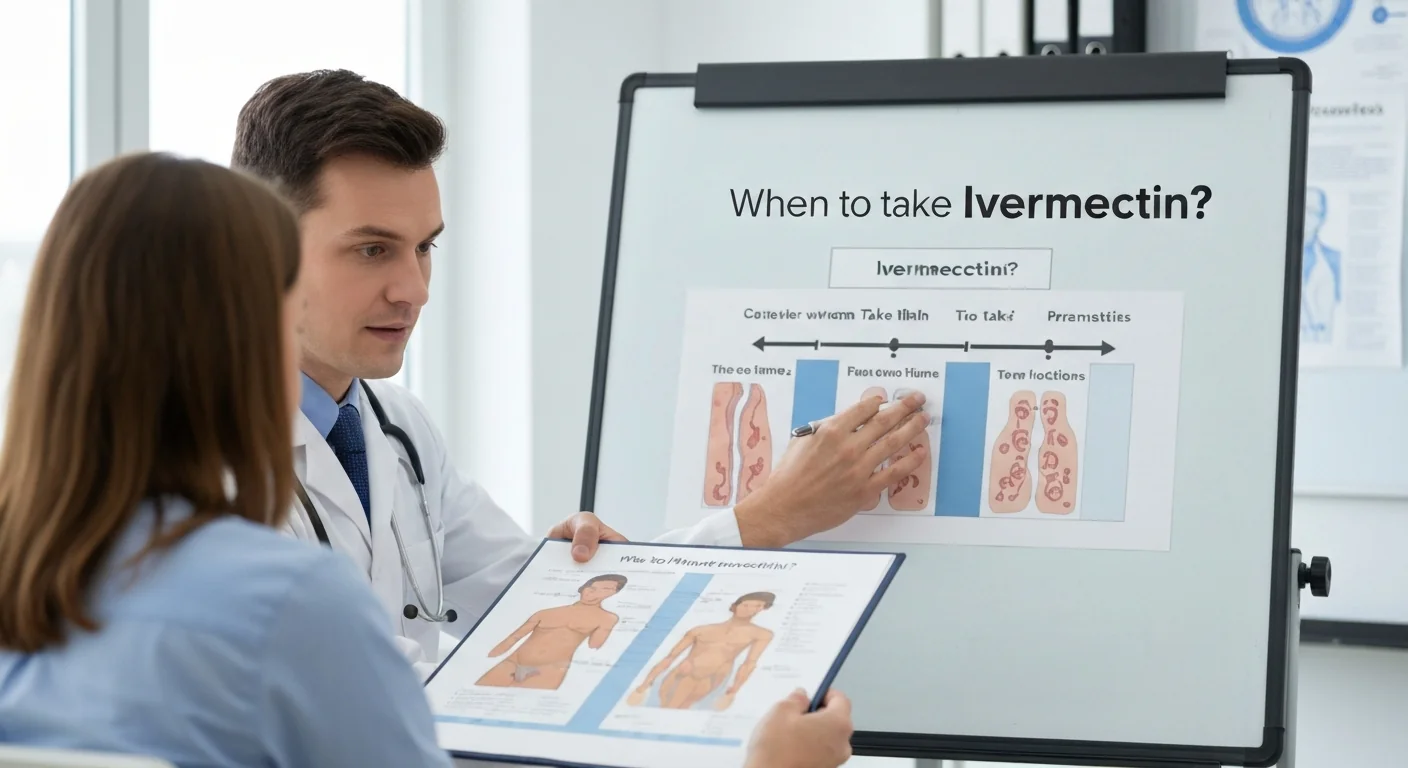
It is very important to know the best time to take ivermectin. Taking it at the right time makes it work better and lowers the chance of side effects. Usually, you should take ivermectin on an empty stomach, about one hour before you eat. This helps your body get the most from the medicine and makes it work better.
[!IMPORTANT] Always follow your healthcare provider’s instructions regarding the timing and dosing of ivermectin, as specific medical conditions or concurrent medications might necessitate adjustments.
Consistency and Time of Day
Taking your medicine at the same time each day helps keep the amount in your blood steady. If you only need one dose, pick a time that fits your day. If you need many doses, try to take them at the same time each day. There is no strict rule about what time to take it, but morning may be best for those who like to take their medicine with other morning routines.
Ivermectin and Food: What You Need to Know
It is important to know how food affects ivermectin. The medicine works best when you take it on an empty stomach. Food, especially fatty foods, can change how much of the drug your body takes in.
What Happens If You Take Ivermectin with Food?
If you take ivermectin with food, your body may absorb more of the drug. This can make your blood levels higher than they should be. While that might seem good, it can also cause more side effects like dizziness, nausea, or rash. A study in the "Journal of Clinical Pharmacology" shows that food can make the medicine in your blood up to 2.5 times stronger.
[!CAUTION] To avoid increased risk of side effects, take ivermectin on an empty stomach unless otherwise directed by your healthcare provider.
Step-by-Step Administration Guide
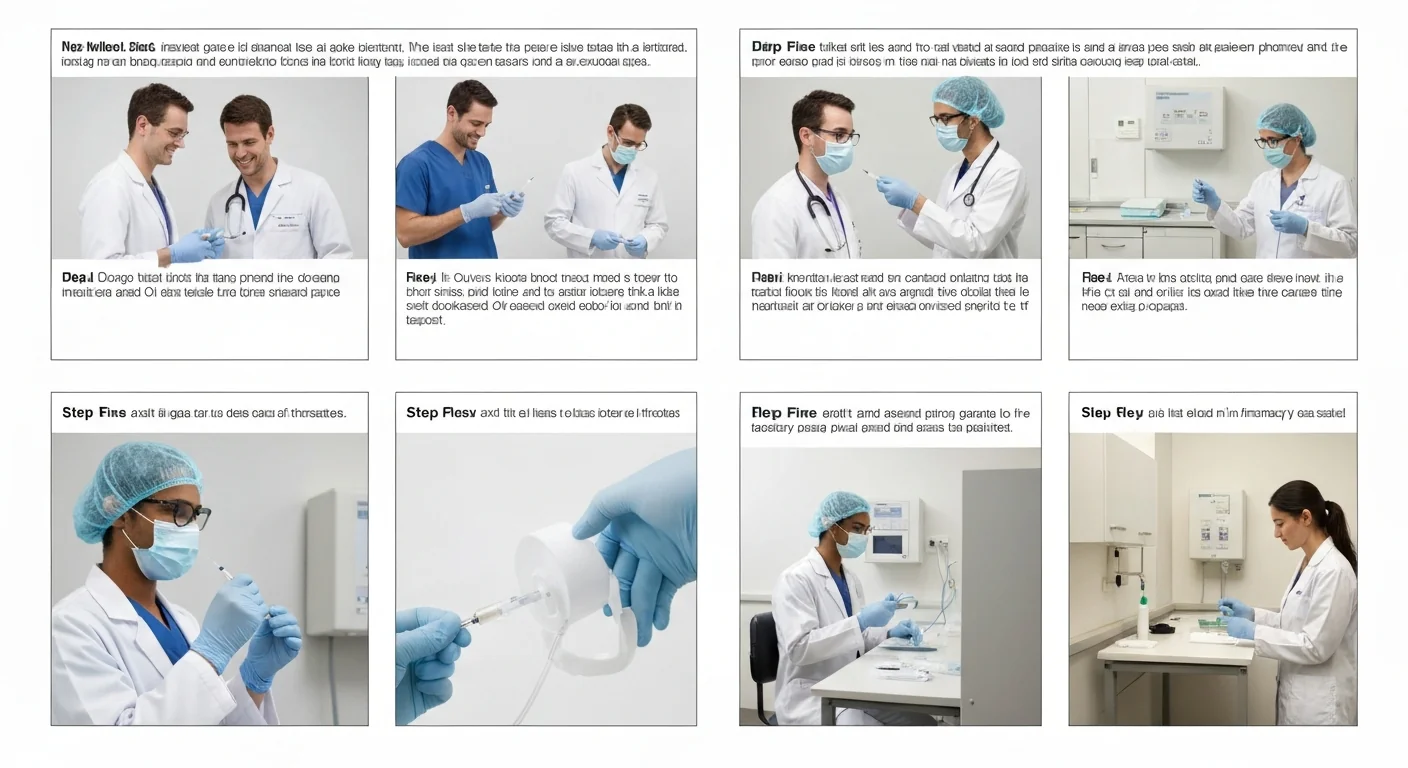
Here is a simple guide on how to take ivermectin for people. It will help you take the right dose in the right way to get the best results:
- Wash Your Hands: Start by washing your hands thoroughly with soap and water to ensure cleanliness.
- Check the Dose: Confirm the correct dose as prescribed by your healthcare provider. Ivermectin tablets come in different strengths, so it's important to take the right one.
- Prepare the Tablet: Do not crush or chew the tablet. Swallow it whole with water.
- Timing: Take the tablet on an empty stomach, ideally one hour before a meal.
- Avoid Lying Down: Stay upright (sitting or standing) for about 10-15 minutes after taking the medication to help it pass through your esophagus.
Water and Hydration Requirements
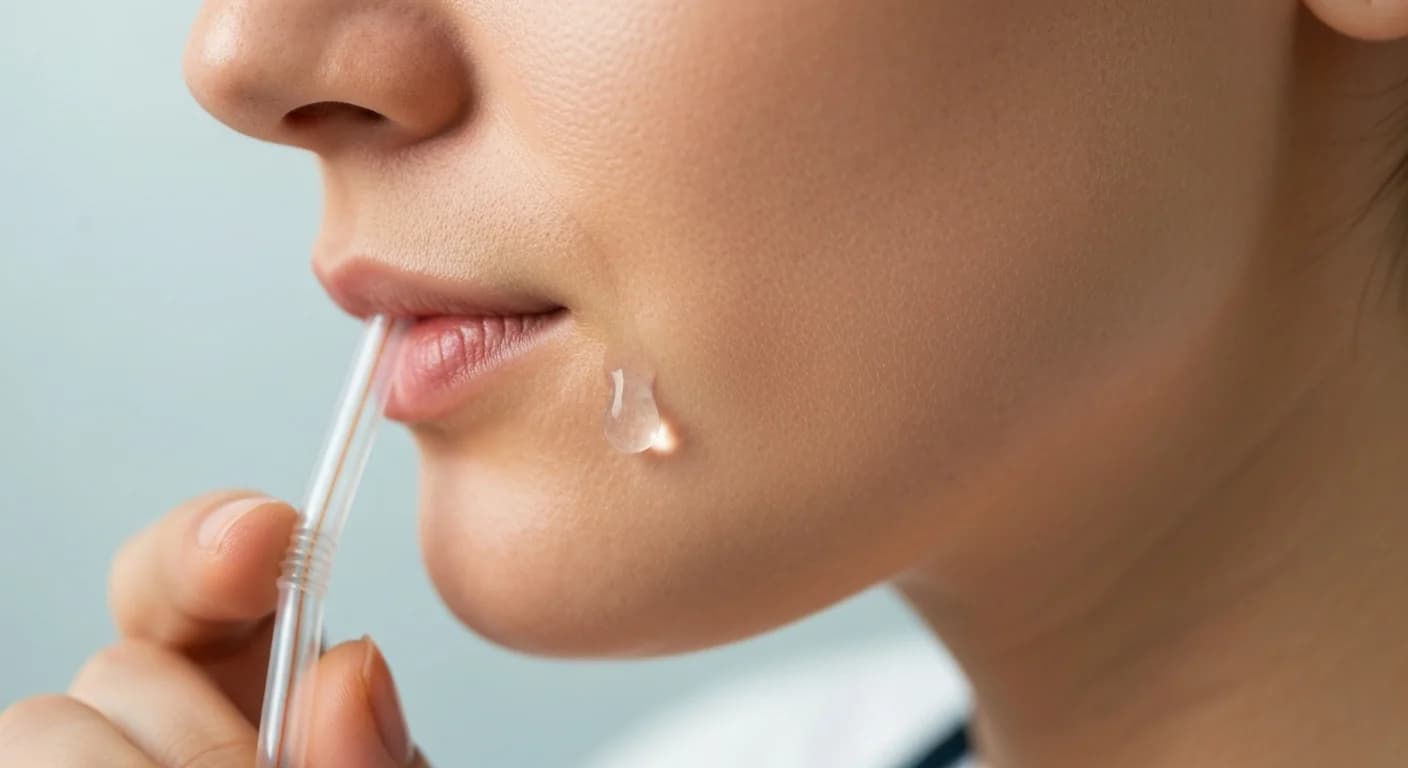
Drink enough water when taking ivermectin. It helps you swallow the pill and gets the medicine into your stomach.
Importance of Hydration
Good hydration helps your body process and remove the medicine better. You don’t need to drink a lot, but a glass (about 8 ounces) is enough when you take the pill.
> You can learn more about staying hydrated in our article on the importance of hydration in medication administration.
What to Do If You Miss a Dose
If you miss a dose of ivermectin, it is good to know what steps to take.
Steps to Follow:
- Take It As Soon As You Remember: If you realize you've missed a dose and it's still relatively close to the time you should have taken it, go ahead and take it.
- Skip If Close to Next Dose: If it’s almost time for your next dose, skip the missed dose and continue with your regular schedule.
- Never Double Up: Do not take two doses at the same time to make up for a missed dose. This can increase the risk of side effects.
> For more tips on missed doses of other medicines, see our guide on managing missed doses safely.
Foods and Drinks to Avoid

Some foods and drinks can make ivermectin less safe or less strong.
Alcohol
Avoid alcohol while taking ivermectin. It can make side effects like dizziness and nausea worse. Drinking alcohol may also make it harder to drive or work safely.
Grapefruit
Grapefruit and grapefruit juice can change how your body breaks down ivermectin. This can cause higher levels of the medicine in your blood and more side effects.
[!CAUTION] Avoid consuming grapefruit or grapefruit juice while taking ivermectin to prevent unintended drug interactions.
Before and After Taking: Timeline

Following a plan for your meals and fasting can help ivermectin work better and cause fewer side effects. Here is a simple timeline you can follow:
| Time Before Dose | Activity |
|---|---|
| 2-3 hours | Avoid eating heavy meals |
| 1 hour | Take ivermectin on an empty stomach |
| Time After Dose | Activity |
|---|---|
| 1 hour | Continue fasting |
| 1-2 hours | Light meal can be consumed |
Storage and Handling Instructions
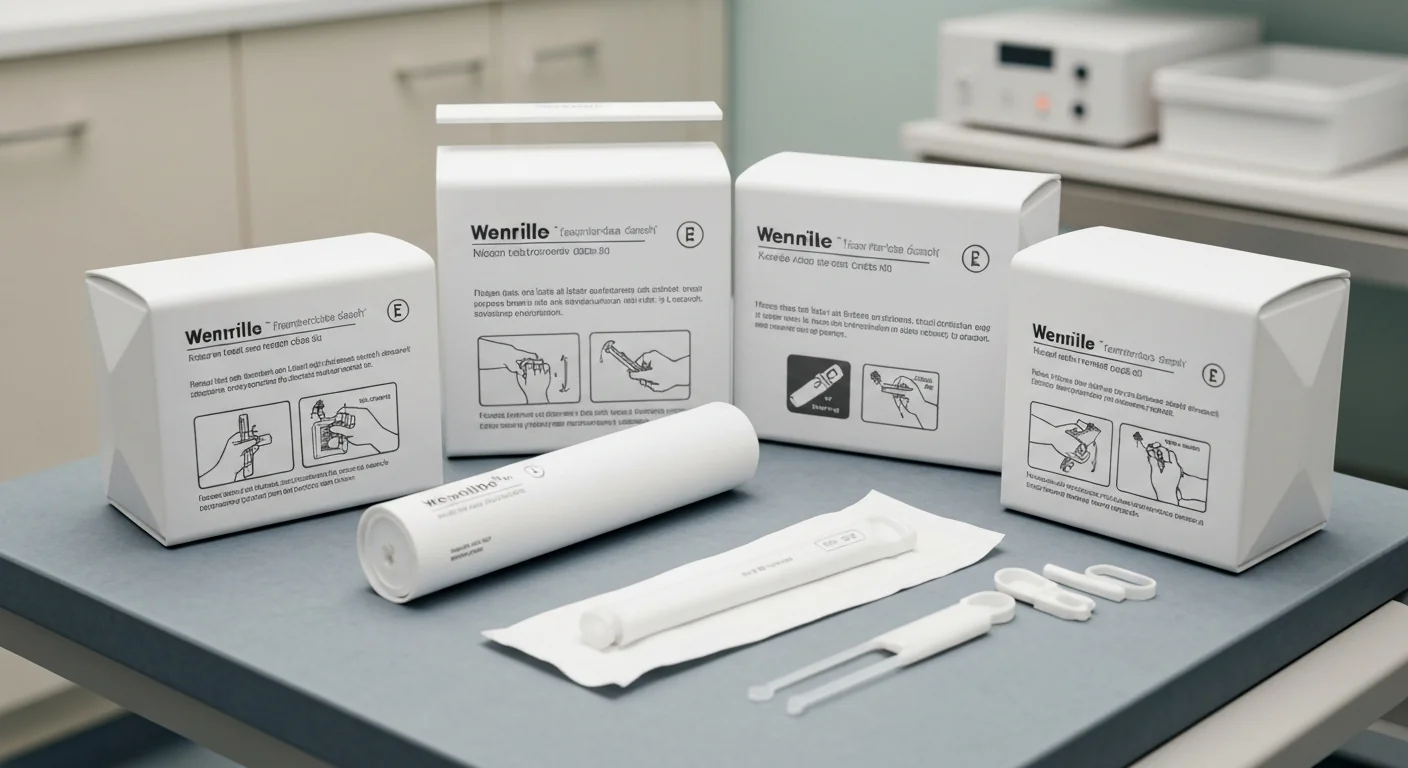
Proper storage of ivermectin pills keeps them safe and effective until they expire.
Storage Guidelines
- Temperature: Store at room temperature, between 20°C to 25°C (68°F to 77°F).
- Light Exposure: Keep the medication in its original packaging to protect it from light and moisture.
- Shelf Life: Check the expiration date on the package and do not use past this date.
> You can learn more about how to store your medicine in our guide on comprehensive guide to safe medication storage.
[!CAUTION] Medical Disclaimer: This article is for informational and educational purposes only and is not intended as medical advice. Ivermectin is a prescription medication that should only be used under the supervision of a qualified healthcare provider. Never self-diagnose or self-medicate. Always consult with your doctor or pharmacist before starting, stopping, or changing any medication. If you experience a medical emergency, call 911 or seek immediate medical attention.
Last Updated: 2026-01-18
Author: Dr. Sarah Chen, MD – Specialist in Infectious Diseases
Reviewed by: Medical Editorial Team
To get the latest on ivermectin, always talk with your doctor or visit the FDA website at www.fda.gov.