Ivermectin is a drug that has changed global health since it was found in the late 1970s. It is part of a class called avermectins, which come from a natural compound made by the bacteria Streptomyces avermitilis. The discovery of ivermectin was so important that William C. Campbell and Satoshi mura won the Nobel Prize in Physiology or Medicine in 2015.
This drug is mainly used to treat parasite infections in people and animals. In humans, ivermectin is approved to treat infections caused by roundworms, threadworms, and other parasites. The World Health Organization has listed ivermectin on its list of essential medicines since the 1980s, showing its key role in health care around the world.
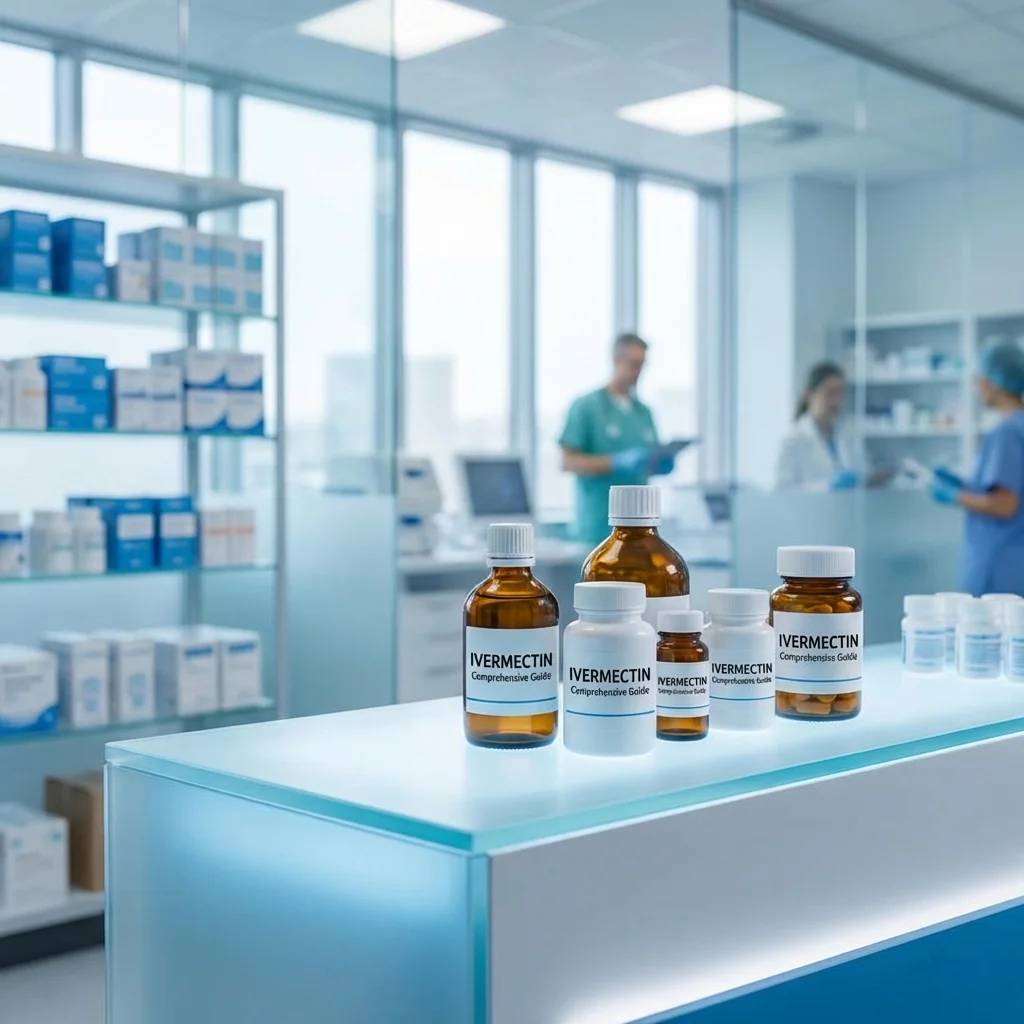
Ivermectin comes in different forms: tablets for oral use, creams and lotions for the skin, and shots for animals. For people, the most common form is the oral tablet, often in 3mg doses. The dose can be based on body weight to give the right amount.
The drug has been used safely in hundreds of millions of people all over the world. It has been part of large programs that give the medicine to fight river blindness and lymphatic filariasis in tropical areas. These programs show that ivermectin is very safe when used as directed.
The U.S. Food and Drug Administration has approved ivermectin for several parasite diseases. Knowing these approved uses helps ensure the drug is used safely and well.
Strongyloidiasis is an infection caused by the roundworm Strongyloides stercoralis. This parasite is common in tropical and subtropical areas. It can cause long-lasting infections that stay for many years. Ivermectin is the best treatment for this condition, with cure rates over 80% after one dose. For tough cases, more doses may be needed.
Onchocerciasis is caused by the worm Onchocerca volvulus. It spreads through bites from infected blackflies. Without treatment, it can cause permanent blindness. Ivermectin kills the microfilariae, or young worms, that are made by the adult worms. This helps reduce symptoms and stops the disease from getting worse. Treatment is usually given every 6 to 12 months for as long as the infection is there.
While topical forms are more often used, oral ivermectin is approved for treating scabies. Scabies is a skin disease caused by the mite Sarcoptes scabiei. Oral ivermectin works well, especially if people can't use creams or lotions, or if they have severe crusted scabies. This form is common in people with weaker immune systems.
Ivermectin is also approved for head lice. A single dose often works, but a second dose after 7 to 10 days may be needed to kill new lice that hatch after the first dose.
Ivermectin works through a special way that targets the nervous systems of invertebrate animals. It is safe for humans because it mostly affects parasites. The drug binds to channels called glutamate-gated chloride channels, which are found in nerves and muscles of worms and insects but not in humans. When ivermectin binds to these channels, they open and let in chloride ions. This makes the cells less likely to fire, causing paralysis and death of the parasite.
In worms, this paralysis stops the muscles they use to feed, which kills them. In mites and lice, the same process causes paralysis and death.
After taking it by mouth, ivermectin is well absorbed in the stomach and intestines. Its highest level in blood happens around 4 hours after taking it. Eating a meal with fat can raise absorption, so it is often advised to take the drug with food. The drug is mainly broken down in the liver by the enzyme CYP3A4. This has important effects when other medicines that affect this enzyme are used. Most of the drug is cleared in feces, with only a little excreted in urine. Its half-life is about 18 hours, which means half of it is gone from the body in that time.
Getting the right dose of ivermectin depends on what disease is being treated and the person’s weight. It is very important to give the correct dose for the medicine to work well and to be safe.
For most parasite infections, ivermectin is given based on body weight. The usual dose is about 150 to 200 micrograms per kilogram of weight. For example, a person who weighs 70 kg would get about 10.5 to 14 mg. This is often rounded to 12 mg, which is four tablets of 3 mg each.
For strongyloidiasis, a single dose of 200 mcg/kg usually works well. Some patients may need a second dose after two weeks. For onchocerciasis, the same dose is given every 6 to 12 months until the infection is gone.
Scabies treatment often needs two doses, spaced 7 to 14 days apart. The medicine kills adult mites but not their eggs. The second dose helps to remove any new mites that hatch.
Ivermectin should be taken on an empty stomach with water, or with food if absorption is better. The timing with meals can affect how much drug gets into the blood. It’s important to take doses at the same time each day if more than one dose is needed.
Patients should not take more than the recommended dose without a doctor’s advice. Higher doses can cause more side effects and do not necessarily make the treatment better.
Like all drugs, ivermectin can cause side effects. When used at the right doses for the right disease, serious side effects are very rare.
The most common side effects are mild and pass quickly. These include headache, dizziness, muscle ache, nausea, and diarrhea. Skin problems like itching and rash can also happen, especially when treating skin parasites like scabies or lice.
When treating onchocerciasis, a certain reaction called the Mazzotti reaction can occur. This happens when the tiny worms die and release their parts into the body, causing inflammation. Symptoms can include fever, headache, joint and muscle pain, fast heartbeat, low blood pressure, and in severe cases, dizziness when standing and trouble breathing. This reaction is more common in people with many worms and usually happens in the first few days of treatment.
In rare cases, especially with high doses or in people with other health issues, more serious side effects may happen. These include bad skin reactions, changes in vision, confusion, trouble walking, and seizures. Anyone with unusual symptoms should see a doctor right away.
Ivermectin can cause nerve effects if it crosses into the brain in large amounts. This risk is higher in people with certain genes that affect how the drug is transported out of the brain, or if other drugs or diseases block this process.
Knowing how other drugs affect ivermectin is key for safe use.
Because ivermectin is broken down by the enzyme CYP3A4, drugs that block or boost this enzyme can change how much ivermectin stays in the body. Drugs like ketoconazole, itraconazole, erythromycin, and grapefruit juice can raise ivermectin levels and may cause side effects. Drugs like rifampin, phenytoin, and St. John’s wort can lower ivermectin levels and make it less effective.
Drugs that block P-glycoprotein, such as verapamil, cyclosporine, and some HIV drugs, can let more ivermectin enter the brain, raising the chance of nerve side effects.
Ivermectin may also affect blood clotting if taken with warfarin. People on warfarin should check their blood’s clotting time more often when they start or stop ivermectin.
Certain groups of people need special care when taking ivermectin.
The drug is Category C for pregnancy. This means animal tests show risks, but we don’t have enough studies in people. Use only if the benefits outweigh the risks. Ivermectin can pass into breast milk at low levels. Breastfeeding women should discuss the risks with their doctor.
Ivermectin is not usually recommended for children under 15 kg (about 33 pounds), as we don’t know enough about safety in this group. For older children, dosage is based on weight, just like in adults.
Older adults can generally take ivermectin safely. They may be more likely to have side effects, but dose adjustments are not usually needed. Close monitoring is a good idea.
Since the drug is processed by the liver, people with serious liver problems may need to be watched carefully and may need lower doses.
Ivermectin has helped a lot in global health, especially in poor countries.
Since the late 1980s, large programs have given billions of doses in Africa, Latin America, and the Middle East. The Mectizan Donation Program, run by Merck & Co., has donated ivermectin free of charge to countries with many infected people since 1987. These efforts have greatly lowered the number of cases of river blindness and are now working to wipe out the disease.
The World Health Organization (WHO) lists ivermectin as an essential medicine. This shows how important it is for fighting parasitic diseases that affect billions worldwide. This helps ensure that the drug is available in places with few resources.
Beyond just helping people's health, using ivermectin to fight parasites also has big effects on money and work. When we stop sickness and disability, people can work better. This helps local economies grow and get stronger.
Research on ivermectin still goes on. Scientists look for new uses of the drug and try to understand how it works.
As of 2026, many tests in labs and clinics are checking if ivermectin can help with other diseases. Some studies look at if it can stop malaria, fight certain viruses, or even help treat some kinds of cancer.
Scientists are also trying to make better forms of ivermectin. They work on long-lasting shots that make giving the drug easier for large groups and help patients stick to their treatments.
While some animal parasites have become resistant to ivermectin, humans have not seen strong signs of this yet. Still, watching for resistance is an important part of research.
People who need ivermectin must get it safely and legally.
In most countries, like the U.S., ivermectin is a prescription drug. A doctor or nurse must check you first and agree that the drug is right for you.
Products made for animals usually have the same active drug but in different amounts. They also have other ingredients. Using animal medicine for people is risky and should never be done.
People should only buy ivermectin from licensed stores. Whether a regular pharmacy or a trusted online one, you need a valid prescription. Be careful of websites that sell ivermectin without a prescription. These may sell fake or unsafe products.
This article is for learning only and is not medical advice. Always talk to a healthcare provider before taking any medicine, including ivermectin. Never use veterinary products for humans.